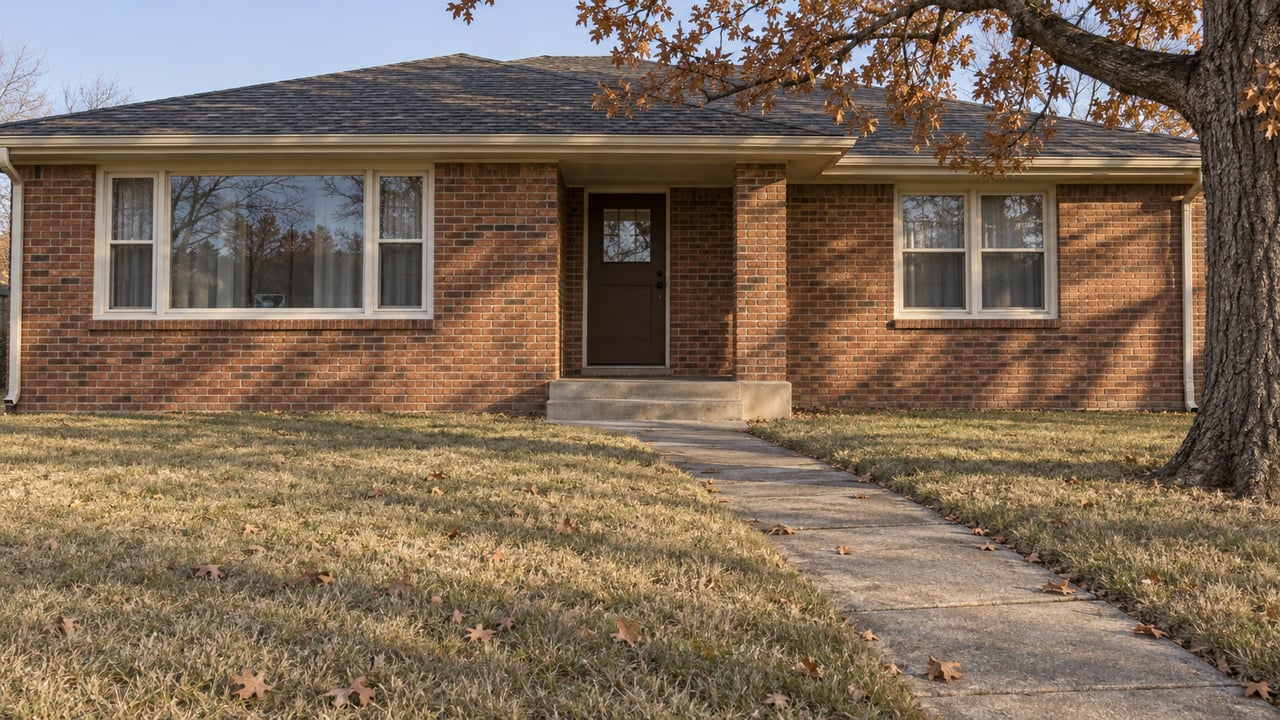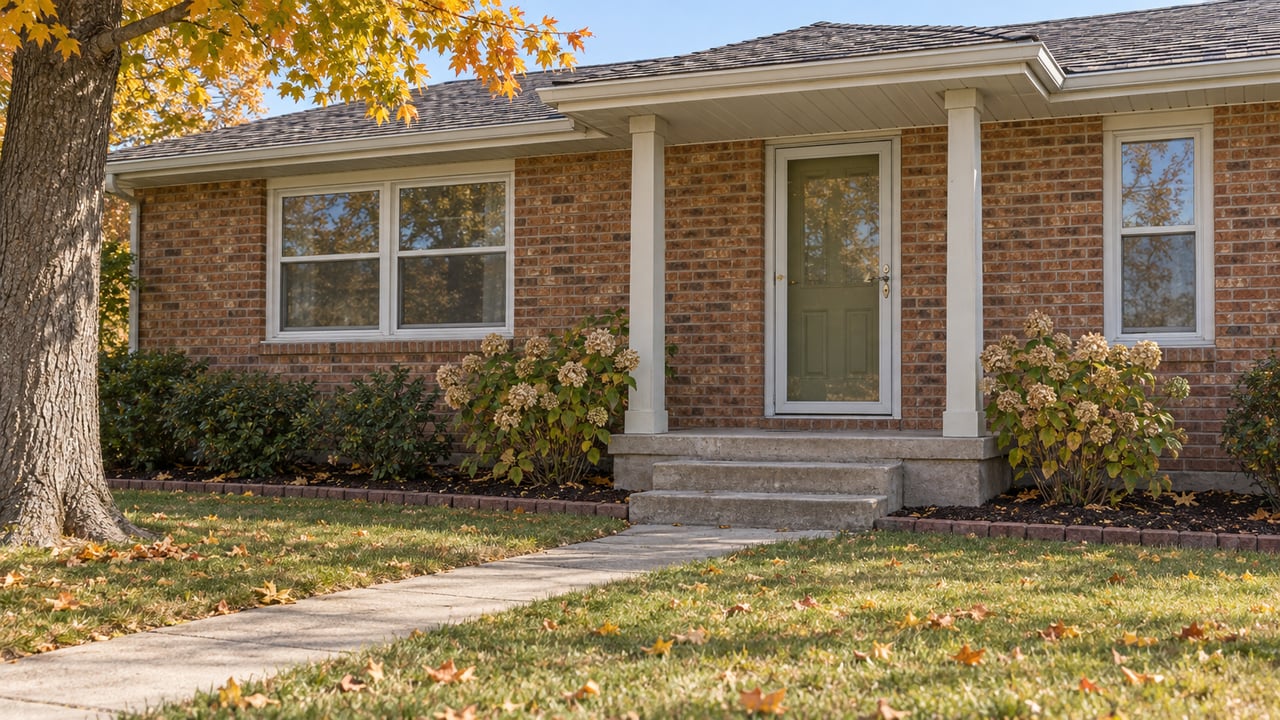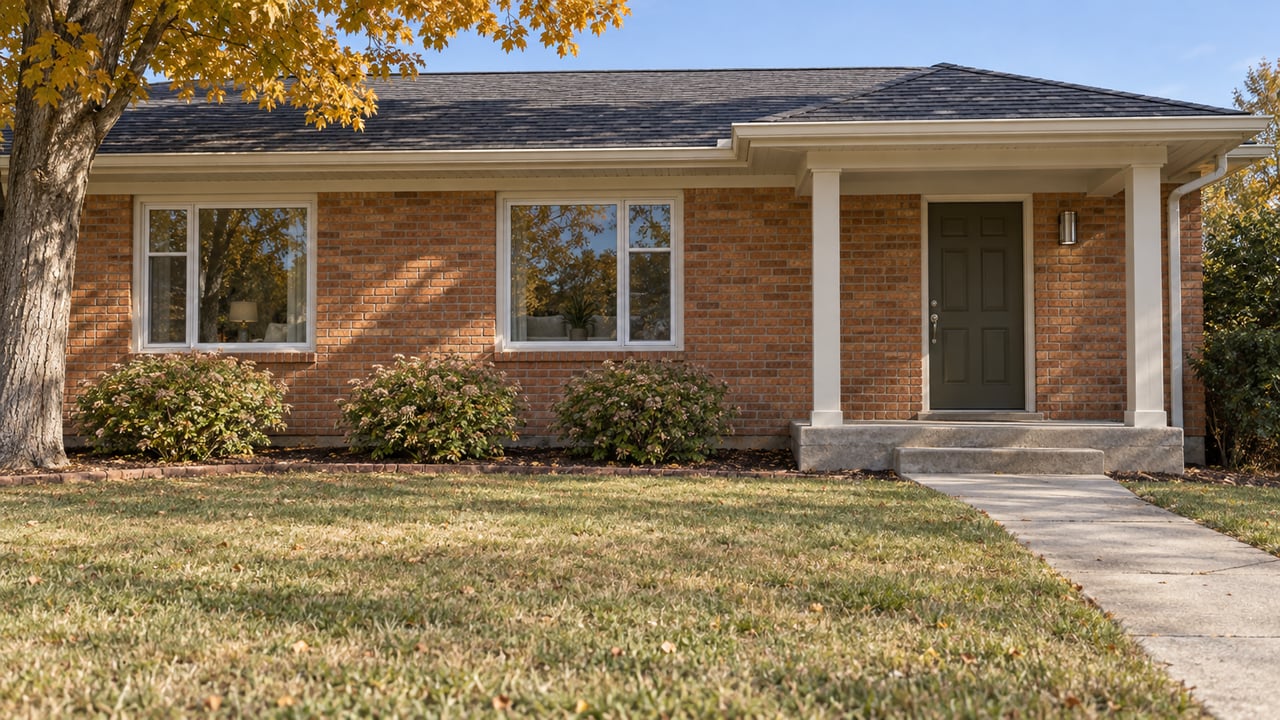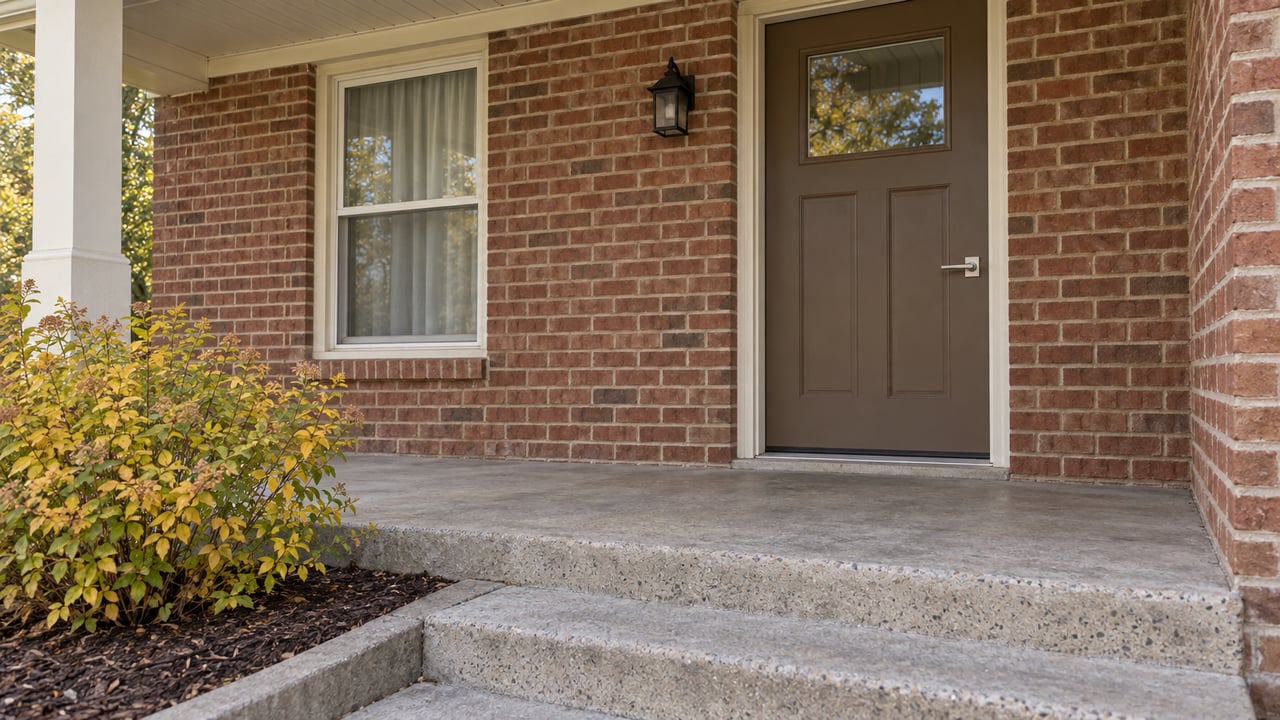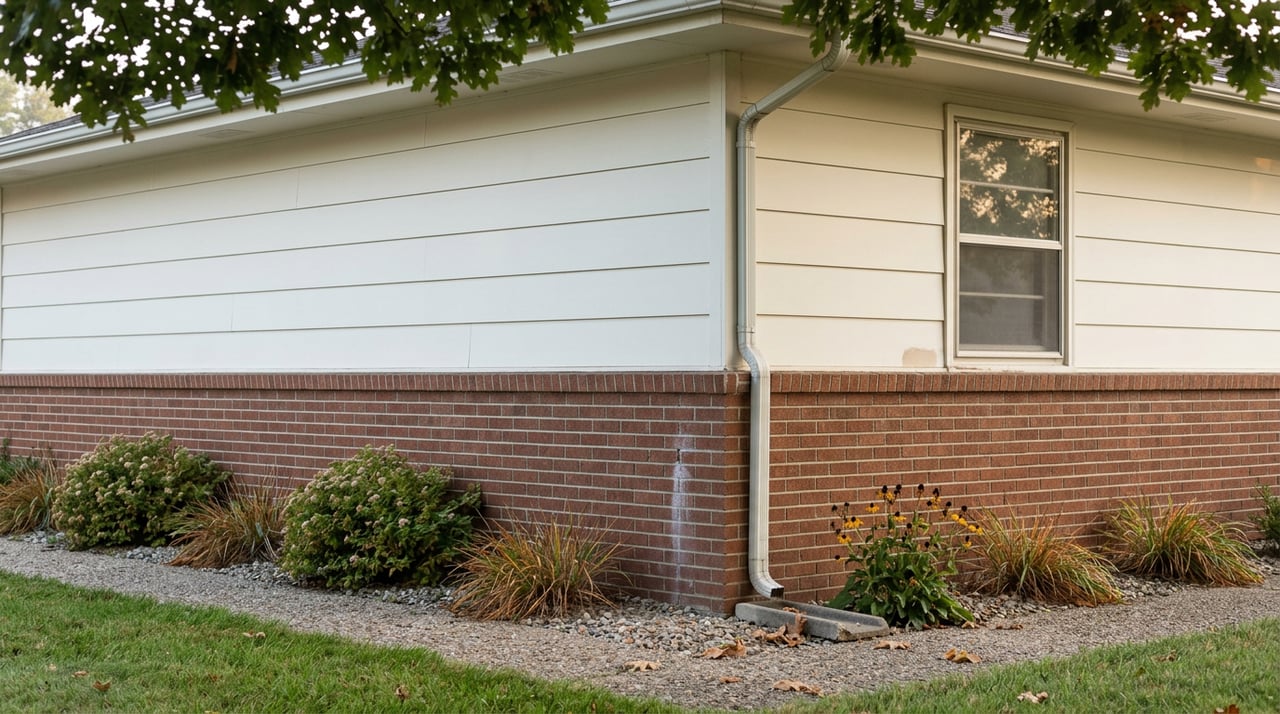
A buyer walks the yard of an acreage listing outside Holton. They look hard at the pole barn, the fence line, the pasture that rolls back toward a stand of timber. Near the house there's a well cap, and further out, a green riser marking a septic tank lid. Most people give those two items about the same attention as the mailbox.
That's the part of a rural Jackson County purchase almost nobody plans for early enough. According to Well Water Testing, Kansas does not require a well test before closing. The sale can close in thirty days regardless of what's happening underground, and the first sign of trouble is usually a slow drain sometime after the moving boxes are unpacked.
The Test Kansas Doesn't Require You To Run
Kansas has no statewide law requiring a private well to be tested before a property changes hands. The state's approach is guidance-based: it recommends regular testing and leaves the responsibility with the well owner, full stop. The Kansas Department of Health and Environment goes further and says a single water sample isn't proof the water is safe going forward. A well that tests clean today can pick up contamination after a heavy rain washes something into it tomorrow, which is why the state recommends a professional look at the well's construction and location before anyone puts much weight on a lab result.
In practice, testing still happens on most financed deals. FHA, VA, and USDA lenders routinely require water quality documentation before they'll close a loan, so a buyer paying cash is often the only one who can skip it entirely. If a test is going to happen, timing matters more in Jackson County than it does in town. Bacteria samples have to reach a certified lab within 24 to 30 hours and stay cold the whole way. On acreage thirty minutes outside Holton, that's a real scheduling constraint, not a formality.
Who Actually Signs Off On A Septic System
Here's the part most out-of-area buyers never learn until they're already under contract: Jackson County doesn't run its own septic program. That job belongs to NEKES, the Northeast Kansas Environmental Services agency, which permits and inspects private wastewater systems across five counties, Atchison, Brown, Doniphan, Jackson, and Nemaha.
Getting a new system approved, or getting an existing one evaluated ahead of a sale, follows a specific sequence:
- Submit an application, a site drawing, and the fee to the NEKES office or the Jackson County Health Department. In Jackson County that fee is $325 (NEKES' Atchison page lists the same fee, and the NEKES Nemaha page does too; the NEKES Brown County page lists $275, a small reminder that NEKES treats each county's code a little differently).
- NEKES conducts a site evaluation and soil profile analysis to determine what type of system the lot can support.
- A licensed NEKES installer does the work, and a final drawing of the completed system goes back to the NEKES office.
- NEKES performs a final inspection before issuing the use permit that makes the system official.
NEKES also offers a resale evaluation for exactly this moment in a transaction, a check on an existing system's condition before it changes hands. And the agency's own guidance is more conservative than the pumping schedule most homeowners hear elsewhere: NEKES recommends pumping every three years, not the three-to-five-year window that's common national advice.
What Shows Up After The Tank Is Pumped
Once a tank gets pumped and opened up, the range of what an inspector might find is wide, and so is the price tag attached to fixing it. Recent national repair-cost guides break down roughly like this:
| Finding | Typical cost range |
|---|---|
| Lid, filter, or baffle repair | $100 to $900 |
| Tank or system repair | $600 to $3,000 |
| Full tank and drain field replacement | $4,500 to $20,000 |
Those figures aren't Jackson County specific, they're national averages, but the spread tells the real story: a septic finding can mean a $150 fix or a five-figure rebuild, and there's no way to know which one you're looking at until someone opens the tank. That uncertainty is exactly why the resale evaluation exists as a NEKES service in the first place.
What The County's Own Numbers Are Already Saying
Here's where it gets interesting for anyone comparing a house in Holton to a similar-looking place a few miles out on gravel. Jackson County's own 2026 valuation study splits the county into separate pricing models for its mass appraisal work, and the two relevant ones tell different stories. The model covering Holton and the surrounding area shows an annual appreciation trend of 5.1 percent, while the model covering rural properties and small towns elsewhere in the county comes in at 4.49 percent.
A 0.61-percentage-point difference isn't nothing over several years of ownership. There's more than one reason two models could diverge like that, but one plausible piece of it lines up with everything above: a house on municipal water and sewer in Holton carries none of the well-and-septic uncertainty a rural property does. Buyers underwrite that uncertainty, even if only a little, and it can show up as slightly more caution in what they're willing to pay for a rural tract versus an in-town lot. The land, the shop building, and the acreage are the visible value. The condition of the well and the septic system are the part of the deal that doesn't show up in listing photos, and the county's own numbers hint that the market notices anyway.
Timing It Before The Option Period Closes
The fix here isn't complicated, it's just easy to forget. Order the well test and, if the system's age or history is unclear, a NEKES resale evaluation as soon as a property goes under contract, not after. Ask the seller how old the tank is and when it was last pumped. If the answer is "not sure," that's useful information on its own.
Build in enough time for the 24-to-30-hour bacteria sample window and for NEKES scheduling before any inspection contingency expires. On a rural property thirty minutes from town, that timing buffer is the difference between having real leverage to negotiate a repair and finding out about a problem after the option period has already closed.
Straight Answers
What septic evaluation does NEKES offer? NEKES offers a resale evaluation.
What if the property uses a lagoon instead of a septic tank? Jackson County's code requires all lagoons to be fenced before NEKES will issue a final use permit, so an unfenced lagoon on an existing property is worth asking about directly.
Is a well test required if I'm paying cash? Not by the state. Lenders on financed purchases, particularly FHA, VA, and USDA loans, are the ones most likely to require it.
Does any of this apply to a house inside Holton on city water and sewer? No. This entire question is specific to properties on a private well and septic system, which is most of what's outside the city limits in Jackson County.
If you're looking at acreage near Holton and want someone who knows to ask about the NEKES paperwork before the well test even gets scheduled, that's exactly the kind of detail a construction-informed, no-pressure walkthrough is built to catch. Reach out to Wendie Edwards to schedule a consultation and talk through what a specific property's systems and paperwork actually look like before you write an offer.
This article is general information, not legal, tax or financial advice. Consult a qualified professional about your situation.