If you are trying to get a feel for Topeka before you buy, the biggest question is often not just What can I afford? but What will daily life actually feel like? That is especially true in Topeka’s older, close-in neighborhoods, where housing styles, street character, and access to downtown can vary block by block. This guide will help you understand what living in Topeka’s core neighborhoods is like, from home styles and commute convenience to parks, shopping, and weekend routines. Let’s dive in.
What “core neighborhoods” means in Topeka
In Topeka, “core neighborhoods” is best understood as the older neighborhoods located closer to the historic downtown commercial center. The city’s preservation plan points to these close-in areas as the older residential parts of Topeka, and current neighborhood association listings include places like Downtown, College Hill, Historic Old Town, Historic Holliday Park, Oakland, East End, East Topeka South, and North Topeka West.
That matters because these neighborhoods tend to offer a different living experience than newer areas farther out. You will often find mature trees, older single-family homes, and a stronger sense of connection to Topeka’s historic center, which the city describes as both the historic and business center of the community. You can learn more in the City of Topeka historic preservation plan.
What homes look like in the core
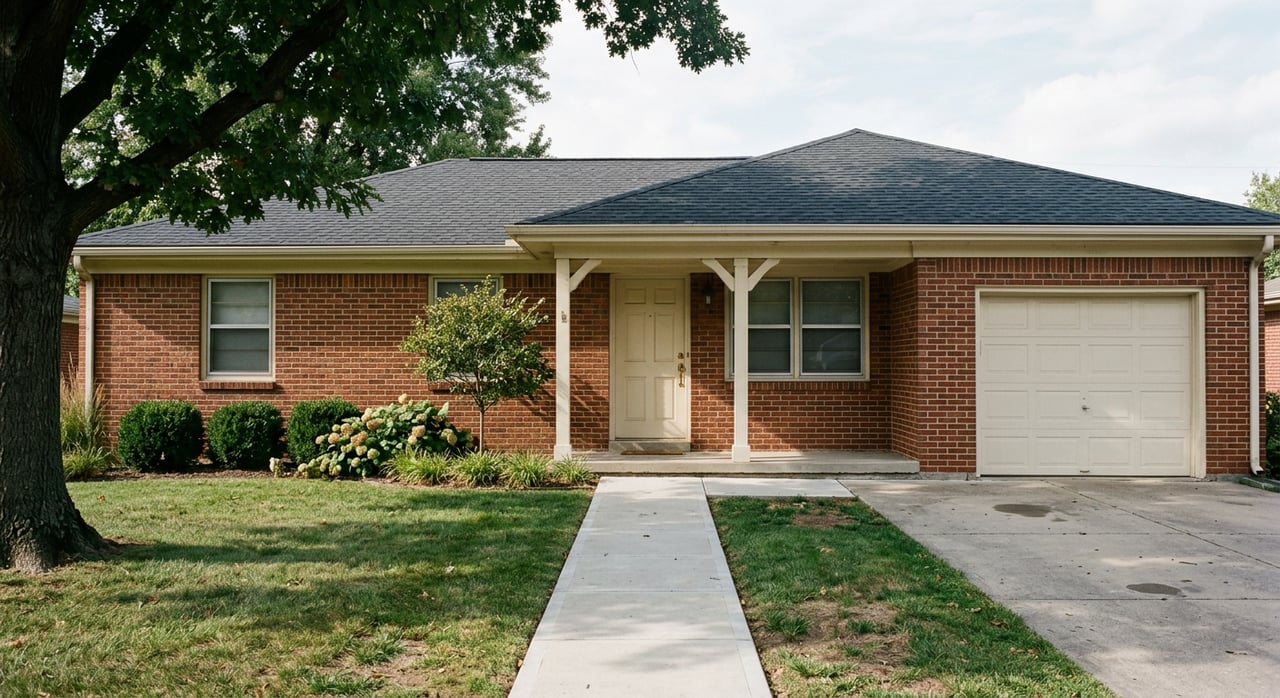
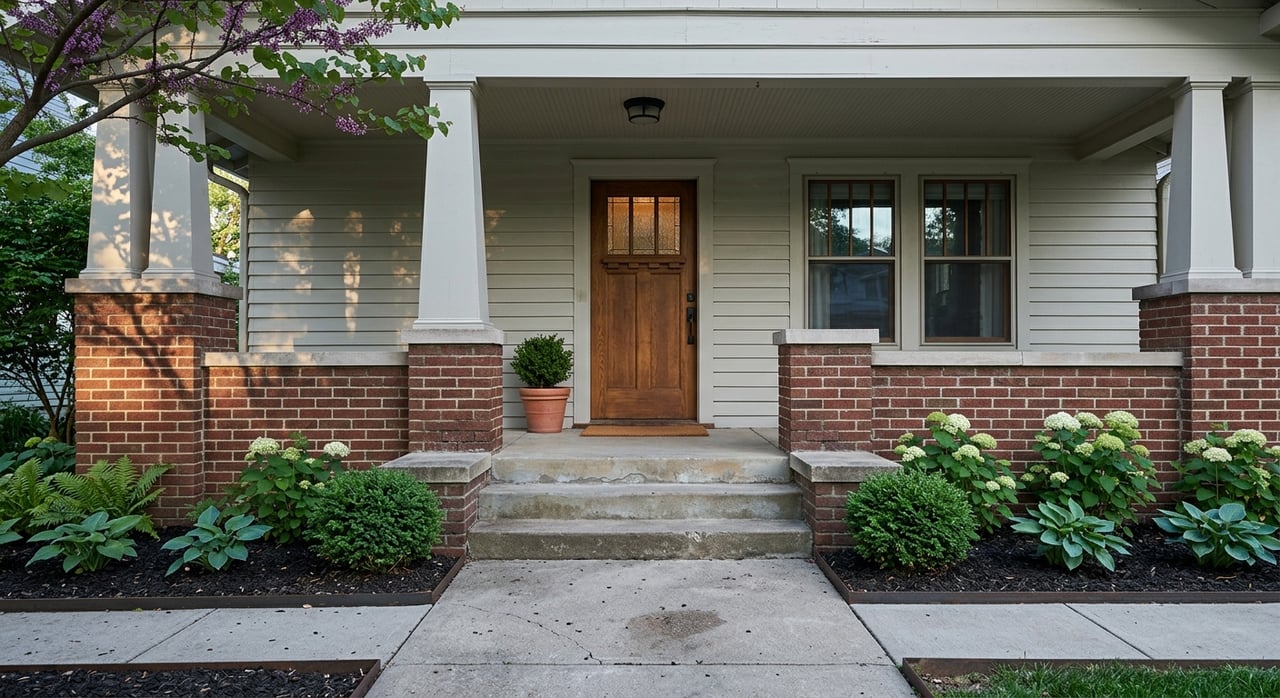
One of the biggest draws of central Topeka is variety. Instead of long stretches of similar homes, many core neighborhoods have distinct architecture, older construction, and streetscapes that feel established.
Across Topeka, the city notes that most residences are single-family detached homes, most residential construction is wood, and mature street trees are a defining visual feature. If you like neighborhoods with character instead of a one-style-fits-all look, that is a big part of the appeal.
Potwin Place and historic charm
Potwin Place is one of Topeka’s best-known historic residential areas. Visit Topeka’s neighborhood guide describes it for its large Victorian-style homes, circular intersections, and late-19th-century roots.
If you love older homes, distinctive layouts, and a neighborhood that feels visually memorable, Potwin Place stands out. It tends to appeal to buyers who appreciate historic details and want a setting that feels different from newer subdivisions.
College Hill, Collins Park, and Holliday Park
Several core neighborhoods offer strong historic-home appeal with their own architectural mix. According to Visit Topeka, Collins Park includes English Tudor, Colonial, and Cape Cod homes, while College Hill features American Four-square, Victorian, Georgian Revival, and Craftsman homes near Washburn University.
Historic Holliday Park includes some of the oldest homes in Topeka, with styles such as Italianate, Queen Anne, Colonial Revival, Craftsman, Bungalow, Prairie, and Tudor. For buyers who want mature streets, architectural variety, and homes with renovation or restoration potential, these areas are worth a closer look.
Old Town and Oakland character
Old Town offers a slightly more urban-historic feel. A city-funded Old Town survey report found 156 historic-age resources in the study area, with most built between 1900 and 1909 and Queen Anne listed as the most common style.
The same report notes that Old Town is primarily residential but also includes educational, religious, civic, and commercial properties. That mix can make it feel connected and practical, especially if you like neighborhoods where residential life and community destinations exist close together.
Oakland brings a different kind of identity. Visit Topeka describes it as an older neighborhood with deep cultural roots, including strong community ties around Our Lady of Guadalupe and Fiesta Topeka.
What daily life feels like
For many buyers, lifestyle matters just as much as square footage. In Topeka’s core, daily life often means easier access to downtown, older parks, local businesses, and a more established street pattern.
If you want a neighborhood where it feels easier to run errands, meet friends, or enjoy a quick outing without crossing the entire city, the core has a lot going for it. That does not mean every neighborhood feels the same, though.
Downtown and NOTO access
Downtown Topeka is the most mixed-use part of the core. Visit Topeka’s shopping and entertainment guide highlights restaurants, retail, entertainment, nightlife, the Kansas Statehouse, Evergy Plaza, the Jayhawk Theatre, the Topeka Performing Arts Center, and local dining and boutique options.
Just north of downtown, NOTO adds galleries, murals, locally owned shops and eateries, First Friday Art Walks, and more than 50 pieces of public art. If you want the easiest access to arts, events, and a more active public scene, Downtown and NOTO are hard to beat.
Neighborhood commercial pockets
Some core neighborhoods offer a more balanced residential-commercial feel. Westboro Mart is one example, with specialty businesses and a smaller-scale shopping node that adds convenience without feeling like a major retail corridor.
College Hill, Westboro, and Oakland are especially helpful to know if you want residential surroundings with nearby destinations woven into everyday life. That kind of setup can make a neighborhood feel more connected and easier to navigate when you are still learning the city.
Parks and weekend routines
Core living also puts you relatively close to some of Topeka’s better-known recreation spots. Gage Park spans 160 acres and is home to the mini-train, while the Topeka Zoo is also located there.
The broader trail network adds more options for outdoor time, including the Lake Shawnee walking and biking trail, the Shunga Trail, and the Orville Rice Nature Trail along Shunga Creek. If your ideal weekend includes a park walk, a zoo visit, or an easy outdoor routine close to town, that accessibility is a meaningful plus.
Getting around from the core
One of the practical benefits of living in central Topeka is that the city is manageable. The U.S. Census QuickFacts for Topeka reports a mean travel time to work of 16.7 minutes, which helps explain why many close-in neighborhoods can feel convenient for day-to-day life.
For drivers, central neighborhoods can mean simpler trips and shorter drives across town. For buyers relocating from larger metro areas, that can be a pleasant surprise.
Public transit options
Driving is common in Topeka, but public transit is part of the picture too. Topeka Metro says it operates 12 fixed routes, along with Lift paratransit, with service Monday through Saturday during daytime hours.
Quincy Street Station in downtown serves as the main transfer point, and the system includes features like shelters, benches, bike racks, and a real-time tracker introduced in 2024. If you are planning a move and want to understand car-light options, downtown-adjacent areas may feel the most straightforward.
Which core area might fit your lifestyle
No neighborhood is one-size-fits-all, so it helps to think in terms of your routines and priorities. Based on the source material, here is a simple way to frame the options.
Best for historic-home appeal
If you are drawn to older architecture, look closely at Potwin Place, Holliday Park, Collins Park, College Hill, and Old Town. These areas are where the strongest historic-home themes show up in the research.
As you tour homes, it can also help to look beyond style alone. Older homes may offer strong character, mature lots, and renovation potential, but condition details matter too. That is where having a calm, step-by-step approach can make the process feel much easier.
Best for amenities and events
If restaurants, shopping, arts, and public events matter most, Downtown and NOTO deserve attention. They appear to offer the densest mix of activity in the core.
This can be a good fit if you want more to do nearby or if you are relocating and want an area that helps you plug into the city quickly.
Best for a residential-commercial balance
If you want a neighborhood that feels established but still gives you nearby businesses and everyday convenience, consider College Hill, Westboro, and Oakland. These areas blend residential identity with access to commercial or community destinations.
That can be especially appealing if you want a practical daily rhythm without feeling removed from the rest of the city.
Affordability and market context
Budget is always part of the conversation, and core neighborhoods often attract buyers looking for both character and value. According to Census QuickFacts, Topeka’s median gross rent is $979, median owner-occupied home value is $130,600, and median household income is $56,956.
Those citywide numbers do not define any one neighborhood, but they do give you a useful baseline as you compare renting versus buying or narrow down your home search. If you are early in the process, this is often where a local guide can help you connect neighborhood feel, home condition, and price range in a practical way.
Why local guidance helps in the core
Topeka’s close-in neighborhoods have a lot to offer, but they also reward a careful eye. Home age, maintenance history, architectural style, and location within the neighborhood can all shape your experience.
If you are buying in the core, it helps to work with someone who can slow the process down, explain what to expect, and help you evaluate homes clearly without pressure. If you want help comparing neighborhoods, understanding housing styles, or narrowing down your options in Topeka and across Northeast Kansas, Wendie Edwards is here to help with a straightforward, educational approach.
FAQs
What are Topeka’s core neighborhoods?
- In general, Topeka’s core neighborhoods are the older, closer-in neighborhoods around downtown and nearby historic districts, including areas such as Downtown, College Hill, Historic Old Town, Historic Holliday Park, Oakland, East End, and North Topeka West.
What is housing like in Topeka’s older central neighborhoods?
- Housing in Topeka’s core neighborhoods often includes older single-family homes, mature trees, and a wide range of architectural styles such as Victorian, Craftsman, Tudor, Colonial Revival, Queen Anne, and Bungalow.
Which Topeka core neighborhoods are best for historic homes?
- Potwin Place, Holliday Park, Collins Park, College Hill, and Old Town stand out most in the research for historic-home character and distinctive architecture.
Which Topeka neighborhoods are closest to downtown amenities?
- Downtown and NOTO offer the strongest access to restaurants, entertainment, arts, public events, and locally owned shops based on the source material.
What is commuting like from central Topeka neighborhoods?
- Topeka’s citywide mean travel time to work is 16.7 minutes, so many central neighborhoods can offer a short and manageable daily commute.
Does Topeka have public transit in the core neighborhoods?
- Yes. Topeka Metro operates 12 fixed routes within Topeka city limits and a small surrounding area, with Quincy Street Station downtown serving as the main transfer location.