If you are dreaming about more space, a shop, a few acres, or simply a quieter pace near Holton, you are not alone. Buying a country home can feel exciting, but it also comes with questions you may not face in town, especially around water, wastewater, access, and land use. This guide will help you understand what to look for when buying acreage and country homes near Holton, Kansas, so you can move forward with more clarity and confidence. Let’s dive in.
Why Holton-area acreage feels different
Holton is the county seat of Jackson County, and the area has a distinctly rural character. The U.S. Census Bureau reports just over 13,500 estimated residents in Jackson County as of July 2024, with about 20.2 people per square mile and a 78.2% owner-occupied housing rate. That small-town setting shapes what buying a home here looks like.
Acreage near Holton is often part of a broader agricultural landscape. According to the Kansas Department of Agriculture, Jackson County had 783 farms covering 263,210 acres in 2022, with strong crop and livestock activity. For you as a buyer, that means you are not just evaluating a house. You are also evaluating how the land functions within an active rural environment.
Think beyond the house
One of the biggest mindset shifts with rural property is this: you are buying a site-and-systems package, not just a home. The condition of the house matters, of course, but so do the well, wastewater system, driveway, drainage, outbuildings, and county approvals.
That is one reason I encourage buyers to slow down and ask practical questions early. A beautiful kitchen or a large porch may catch your eye first, but long-term satisfaction often comes down to whether the property works well day to day. On acreage, the behind-the-scenes details matter a lot.
Utilities can change fast outside town
Inside Holton, the city lists water, electric, gas service through Kansas Gas Service, trash service, and internet and phone options. Once you move outside city limits, that utility setup can change quickly from one property to the next. Two homes a short distance apart may have very different service arrangements.
Before you get too far into a purchase, confirm each utility source and whether service is active and available. That includes water, power, gas if applicable, internet options, and trash service. It is much easier to sort that out before closing than after.
Water sources to confirm
For country homes near Holton, water service may come from a private well or a rural water district. Each setup comes with its own questions, and neither should be treated as a simple checkbox item.
The Kansas Department of Health and Environment says private domestic wells are not regulated as public water systems by that section, and private well owners are responsible for regular testing of household water. KDHE also notes that well location and construction should be assessed before bacterial testing. In simple terms, if a home has a well, you should ask for records, location details, and recent screening results.
If the property is served by a rural water district, K-State’s rural living guide recommends confirming district membership, transfer details, and any line-extension responsibilities before closing. A meter or existing line does not always mean transfer is automatic or that no additional work will be needed.
Wastewater deserves close attention
Wastewater is another major item on rural property. In Jackson County, Northeast Kansas Environmental Services, or NEKES, handles evaluations, assessments, and permitting for private onsite wastewater systems and private water wells.
NEKES also states that Jackson County code requires an evaluation when property served by an onsite wastewater system is offered for sale or refinance. If the property uses a septic system or lagoon, treat that as a key due-diligence item. If there is a lagoon, NEKES says it must be fenced before the final use permit is issued.
County review matters on acreage
A lot of buyers assume rural means fewer rules. In reality, land use and improvements can still involve formal county review. Jackson County’s Planning and Land Information office is the main contact for zoning, planning, floodplain matters, and tract splits.
The county reviews zoning compliance applications for zoning permits, conditional use permits, special use permits, variance requests, and tract splits. That matters if you are buying acreage with future plans for a shop, home addition, driveway work, or other improvements.
What Jackson County wants to see
Jackson County’s building permit instructions give a useful preview of what is important locally. The county wants to know the source of water service, the method of sewage disposal, and the type of street serving the property.
The instructions also call for a site plan showing property lines, easements, driveway location, sewage system location, and any floodplain area. The county notes that work should not begin before approval. Even agricultural-use buildings are exempt from permit fees, but they still require a permit.
Access, easements, and driveways
Driveway access can be easy to overlook when you first tour a property. On rural homes, it should be one of your first questions.
Jackson County says a new or existing driveway entrance needs a Residential Access Agreement reviewed by Road and Bridge. If the property connects to a state highway, the entrance also needs Kansas Department of Transportation review and approval. That means access is not just about whether a driveway exists today. It is also about whether it is recognized and workable for your intended use.
You should also ask about easements, culverts, setback limitations, and any utility concerns before making assumptions about where you can build or improve the land. These details can affect both current use and future flexibility.
Drainage and floodplain checks are essential
In Northeast Kansas, weather and water movement can have a real impact on country property. NOAA climate normals for Holton show a mean annual temperature of 52.5 degrees, January and July mean temperatures of 26.2 and 76.8 degrees, and 37.38 inches of annual precipitation. Those patterns can affect winter access, drainage, and upkeep over time.
K-State’s rural living guide also advises buyers to look carefully at runoff, springs, floodplains, and other drainage issues before purchasing. Natural water movement can affect basements, driveways, usable yard space, and maintenance costs.
Jackson County’s zoning administrator also serves as the floodplain administrator, and FEMA’s Flood Map Service Center is the official public source for flood hazard information. Even if the house is not obviously near a river or creek, flood mapping, culverts, and drainage paths still deserve a close look.
Rural living comes with normal farm-country realities
If you are moving from town, some country-home realities may be new to you. K-State notes that rural properties can come with livestock odors, manure, dust, noise, heavy equipment traffic, agricultural chemicals, and slower emergency response than city homes.
That does not mean rural living is a bad fit. It simply means it helps to go in with clear expectations. A property can be a great match for your goals while still coming with seasonal routines and neighboring land uses that are normal in rural Kansas.
Questions to ask before you buy
When I work with acreage buyers, I encourage a step-by-step approach. The goal is not to make the process harder. It is to help you spot issues early and buy with fewer surprises.
Here are some smart questions to ask as you evaluate country homes near Holton:
Water questions
- Is the home served by a private well or a rural water district?
- Are there well construction records, location details, and recent test results?
- Have coliform, E. coli, and nitrate screenings been completed recently?
- If it is on rural water, what is required for transfer or continued service?
Wastewater questions
- Is the property on septic or a lagoon?
- When was the system last evaluated, serviced, or permitted?
- Is there a final drawing, permit record, or inspection history?
- If there is a lagoon, is it fenced as required?
Land and access questions
- Are there easements, setback issues, or tract split concerns?
- Does the driveway meet county or state access requirements?
- Are there floodplain areas, drainage routes, or culvert limitations?
- Will the land support your plans for outbuildings, parking, animals, or future improvements?
House and outbuilding questions
- Have the roof, foundation, drainage, HVAC, electrical, and plumbing systems been inspected?
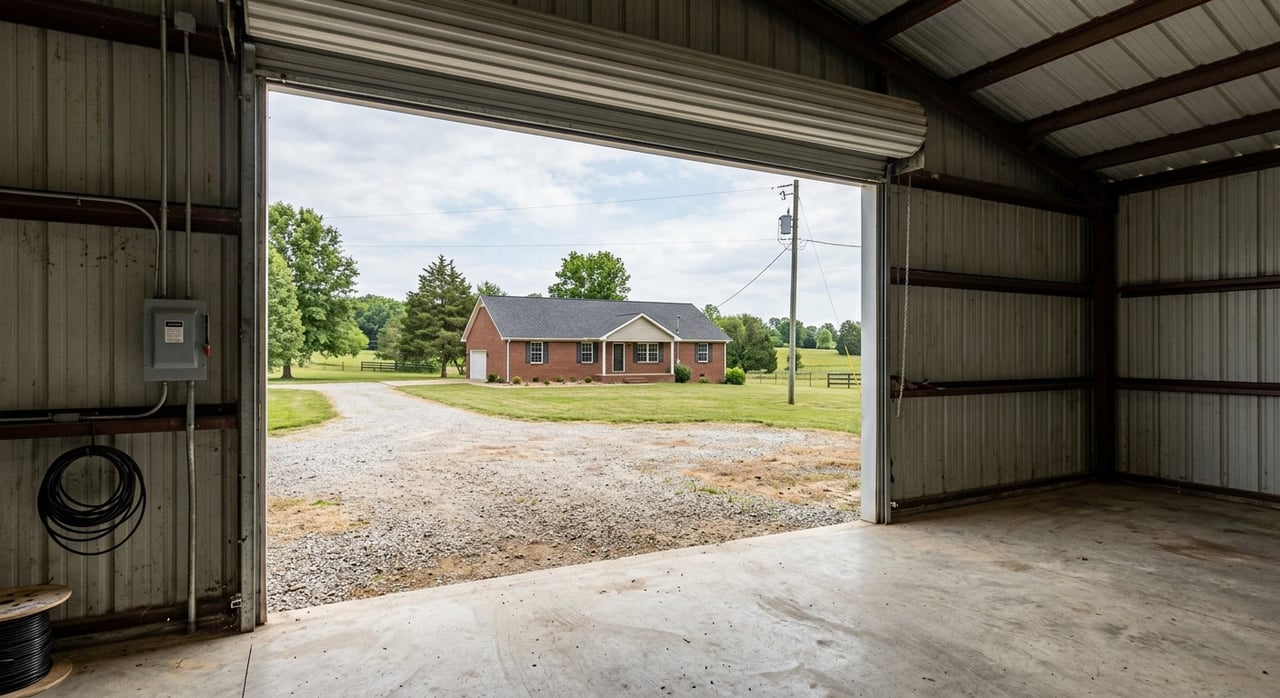
- Have barns, shops, garages, and sheds been checked for structure and current use?
- Are there signs of water intrusion, deferred maintenance, or grading problems around the home?
Neighboring use questions
- What nearby farm activity should you expect during different seasons?
- Are there livestock operations, crop applications, smoke, dust, or heavy equipment traffic nearby?
- How might surrounding land use affect daily living or future plans for the property?
A calm, practical buying strategy
Buying acreage near Holton does not have to feel overwhelming. The key is to stay organized and evaluate the property in layers. First, decide how you want the property to function for your lifestyle. Then confirm whether the land, systems, and approvals support that plan.
This is where a local, construction-aware approach can really help. When you understand the basics of wells, wastewater, drainage, access, and outbuildings, you can ask better questions and make stronger decisions. That kind of clarity can save you time, money, and stress.
Final thoughts on buying near Holton
Country homes and acreage near Holton can offer space, flexibility, and the kind of setting many buyers are looking for. At the same time, rural property asks you to pay attention to details that do not always come up with in-town homes. If you take the time to look closely at utilities, land layout, access, drainage, and county process, you can shop with more confidence.
If you are thinking about buying acreage or a country home in Northeast Kansas, Wendie Edwards can help you take it step by step with local guidance, a practical eye for property details, and a no-pressure approach.
FAQs
What should you check first when buying acreage near Holton, KS?
- Start with water source, wastewater setup, driveway access, drainage, and county zoning or permit questions, because those items often shape whether the property truly fits your plans.
What water questions matter for country homes in Jackson County, KS?
- Ask whether the home uses a private well or rural water district, and request well records, location information, recent testing, or district transfer details before closing.
What wastewater systems are common for rural homes near Holton, KS?
- Many country properties use private onsite systems such as septic systems or lagoons, and Jackson County requires evaluation of onsite wastewater systems when a property is offered for sale or refinance.
What county office handles zoning and land questions in Jackson County, KS?
- Jackson County Planning and Land Information is the primary contact for zoning, planning, floodplain issues, and tract splits on rural property.
What rural living factors should buyers expect near Holton, KS?
- Buyers should expect normal rural conditions such as dust, farm traffic, livestock-related odors, seasonal agricultural activity, and potentially slower emergency response than in town areas.