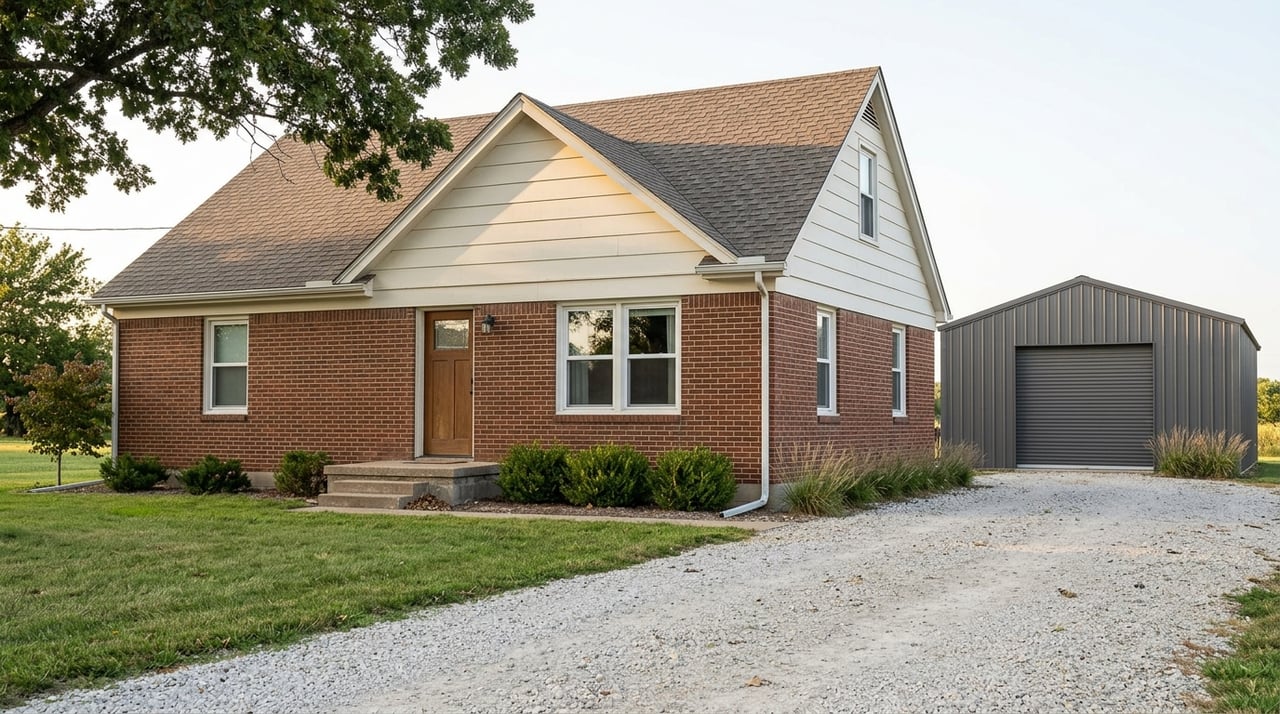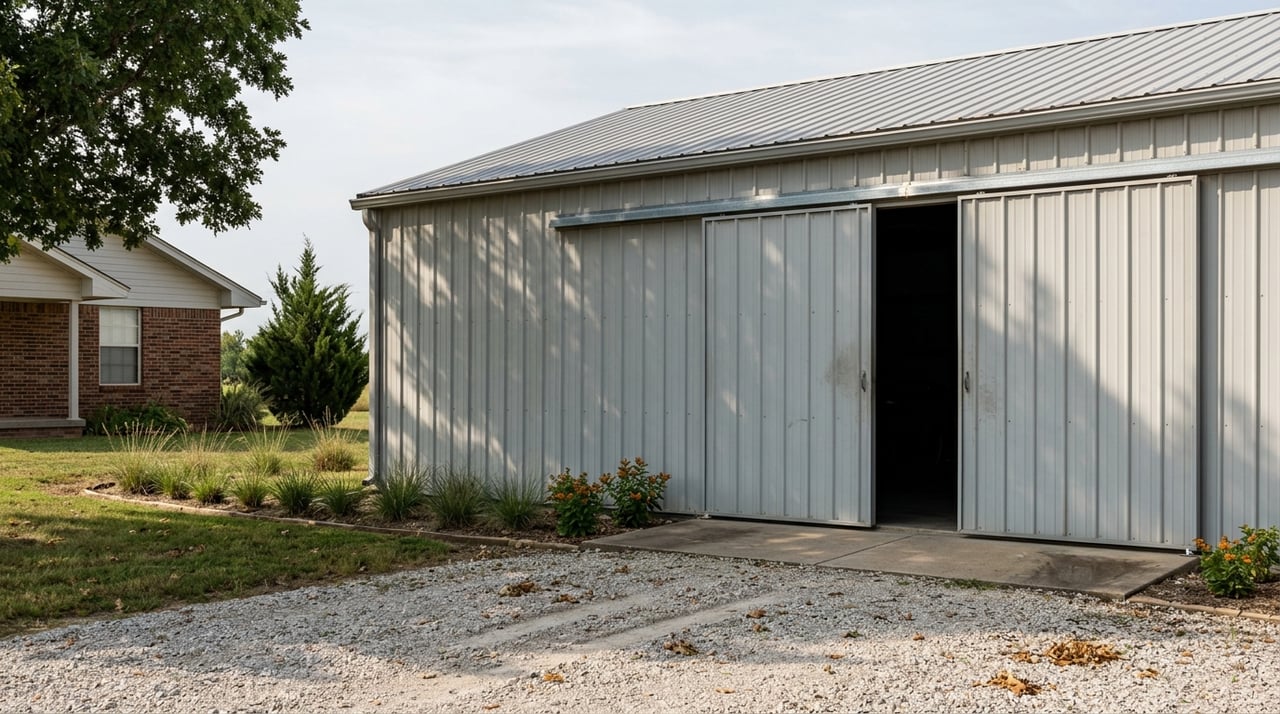
If your home is going to make its best impression, it usually happens fast. In Topeka, where homes had a median 25 days on market in March 2026, the first three weeks are not a trial run. They are your main launch window. If you want strong interest and the best chance to attract serious buyers early, here’s how to make those first 21 days count. Let’s dive in.
Why the first three weeks matter in Topeka
In a balanced Topeka market, buyers have options and compare listings quickly. March 2026 data showed 472 homes for sale in Topeka and 541 in Shawnee County, with both markets at a median 25 days on market. That means your listing needs to be ready from day one, not adjusted later after momentum fades.
Regional MLS data points to the same pattern. In April 2026, the Sunflower MLS reported a median sale price of $229,265, median days on market of 5, sales at 100% of list price, and just 1.4 months of supply. Well-positioned homes can move quickly, so the early window matters even more.
Online behavior also shapes those first few days. Buyers often begin their search online, and early views, saves, and shares help a listing gain traction. When your home launches with the right price, strong presentation, and polished marketing, you give it a better chance to stand out while it still feels new.
Start with a price that fits your micro-market
Pricing is one of the biggest decisions you make before your home goes live. In Topeka, citywide averages only tell part of the story because neighborhood and zip code differences can be significant. Realtor.com data shows Central Topeka at $149,900 compared with East Topeka at $364,500, and zip codes ranging from $93,999 in 66607 to $415,000 in 66610.
That spread is exactly why hyper-local pricing matters. A price that looks reasonable on a citywide chart may miss the mark for your street, subdivision, or zip code. Your list price should reflect comparable sales, your home’s condition, location, amenities, and current market conditions.
The first three weeks should not be used to test an ambitious price. In a balanced market, buyers notice when a home sits, and days on market can start working against you. A strong launch price gives your listing credibility and helps you capture interest before buyers move on to the next option.
Think launch, not later fixes
One of the biggest seller mistakes is assuming weak performance can always be corrected later. Sometimes it can, but later changes often come after the strongest wave of attention has already passed. By then, your listing may no longer feel fresh to buyers watching the market.
A better approach is to front-load the work. That means making pricing, staging, photography, and promotion work together before the home goes active. When all four are aligned, your listing has a much better chance to attract serious attention early.
This is where a step-by-step plan helps reduce stress. Instead of reacting after launch, you prepare your home to meet the market from the start. That is usually the steadier path in a place like Topeka, where buyer expectations can change from one pocket of the market to another.
Prep your home so buyers can picture living there
Staging does not have to mean a full redesign. At its core, it means cleaning, decluttering, repairing, depersonalizing, and updating the home so buyers can picture themselves in it. That simple shift can make a real difference in how your home feels online and in person.
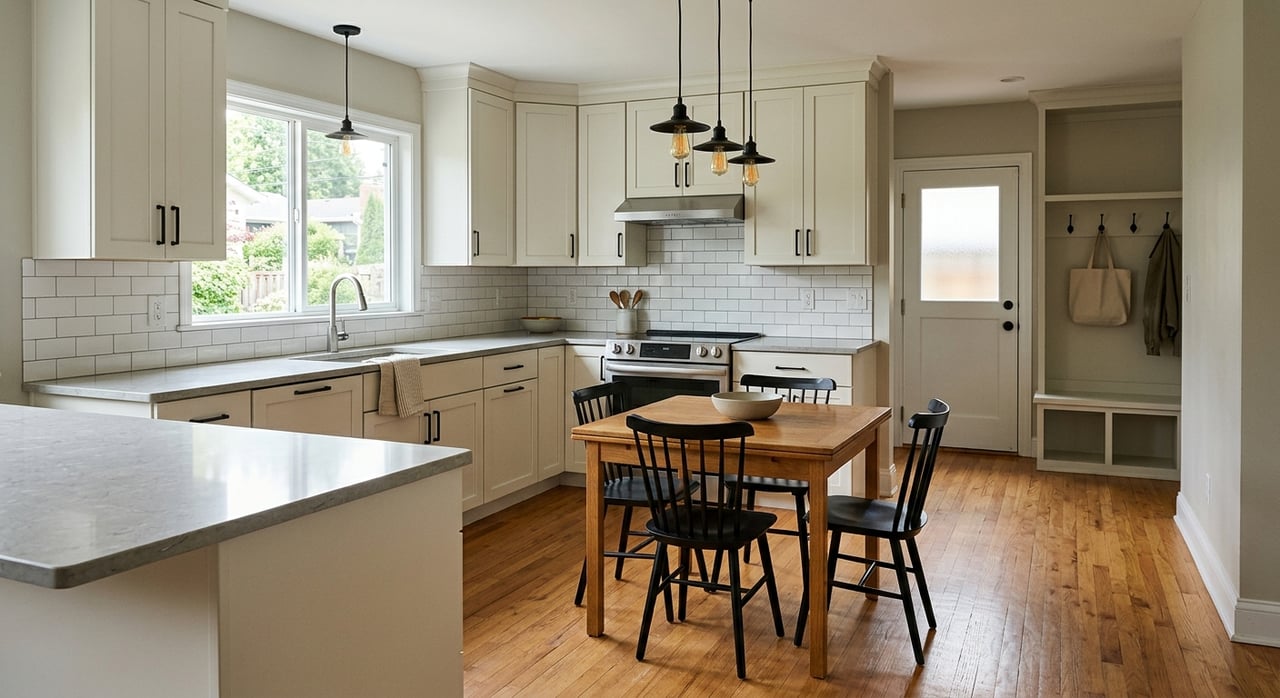
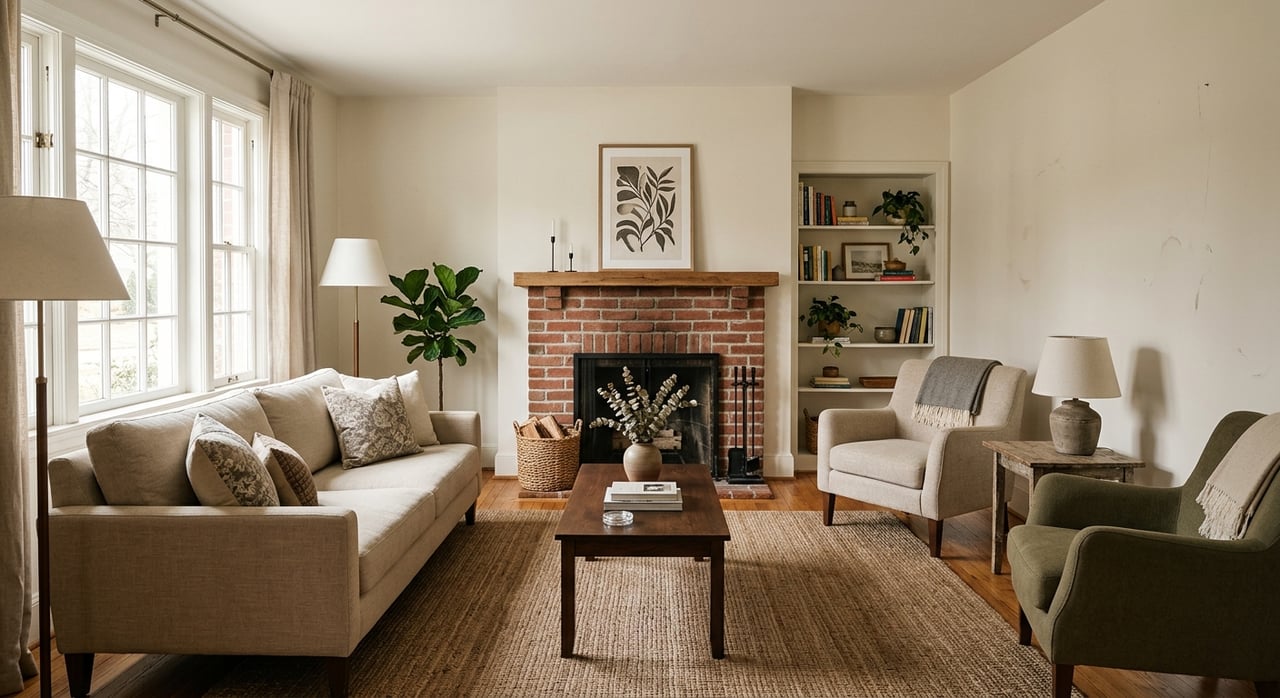
According to the 2025 Profile of Home Staging, 83% of buyers’ agents said staging made it easier for buyers to visualize a home as their future home. The living room ranked as the most important room to stage, followed by the primary bedroom and kitchen. If your time or budget is limited, those are smart places to focus first.
Staging may also support stronger results. NAR reports that 29% of seller agents saw a 1% to 10% increase in offered value, and 49% reported less time on market. In practical terms, simple improvements can help your listing feel more inviting and more competitive.
Focus on the rooms buyers notice most
You do not have to make every corner perfect before listing. Start with the spaces that shape a buyer’s first impression and daily-living picture. For many homes, that means the living room, primary bedroom, and kitchen.
Pay attention to what buyers will notice quickly. Clear counters, open floor space, good lighting, and neutral presentation can make rooms look larger and easier to understand. The goal is not to erase your home’s personality completely, but to help buyers imagine their own routine in the space.
Handle small repairs before launch
Minor issues can create bigger questions in a buyer’s mind. A dripping faucet, chipped trim, loose handle, or burned-out light bulb may seem small, but together they can make a home feel less cared for. Those details matter most when buyers are comparing several listings online and in person.
This is also where a construction-aware eye can help. Before launch, it is worth identifying visible maintenance items that may distract from your home’s strengths. Fixing the small things early often helps the larger features shine.
Invest in photos that stop the scroll
Photos are one of the most important parts of your launch. NAR’s 2026 visibility guidance says 81% of buyers rated listing photos as the most useful feature in their online search. If the images do not catch attention, buyers may never schedule a showing.
The first photo matters most because it is usually the image buyers see first in search results and alerts. High-resolution images and video tours help present your home clearly and professionally. When a listing looks sharp online, it has a better chance of earning clicks, saves, and shares in those first critical days.
Good photography also starts before the camera arrives. Open blinds for natural light, reduce clutter, remove refrigerator magnets and distracting art, and consider removing a piece or two of furniture to make rooms feel larger. These simple steps can improve how your home reads on screen.
Create clean, bright photo-ready spaces
Photo prep is different from daily living. What feels normal to you may look busy in a wide-angle image. A few intentional edits can help each room look brighter, cleaner, and more open.
Use this quick photo-prep checklist:
- Open blinds and curtains for natural light
- Clear kitchen and bathroom counters
- Remove magnets, papers, and small items from appliances
- Put away pet items when possible
- Minimize bold or distracting decor
- Tidy cords, shoes, and laundry baskets
- Remove a small amount of furniture if a room feels crowded
These steps are simple, but they can make a big difference in the final gallery buyers see online.
Use week one to build momentum
Launching your listing is more than putting it in the MLS. Early marketing should also include buyer-facing channels such as email and social platforms, because visibility starts immediately. The first few days offer the clearest signal of whether your home is connecting with buyers.
This matters because many buyers start online and compare homes quickly. If your listing earns early attention, it has a better chance to keep surfacing in searches and alerts. That is one reason a polished launch can outperform a listing that is still being improved after going live.
In Topeka, where homes may sell around asking price on average and Shawnee County showed a 103% sale-to-list ratio in March 2026, strong early traction can position you well. You want buyers to see value right away, not after several rounds of adjustments.
Watch feedback during days 7 to 14
After the initial push, the second week becomes a useful read on buyer response. Showings, online saves, questions, and agent feedback can tell you whether your price and presentation are landing well. This is the time to pay attention without panicking.
If traffic is solid and feedback is positive, your launch is likely doing its job. If activity is weaker than expected, small changes may help while interest is still forming. NAR suggests refreshing the lead photo, reordering photos, or re-sharing the listing if early activity is soft.
Notice that these are targeted adjustments, not random changes. The goal is to improve visibility and presentation while your home is still relatively new to the market. That is very different from waiting until the listing feels stale.
Make smart decisions before day 21 becomes day 30
By the third week, you should have enough market feedback to evaluate performance honestly. If your home has had meaningful exposure but not enough serious interest, it may be time to revisit the strategy. In many cases, pricing deserves the closest look.
NAR advises that if a home has been on the market more than 30 days without an offer, sellers should at least consider lowering the asking price. That does not mean every listing needs a price reduction, but it does mean timing matters. The market tends to be less forgiving once a home no longer feels new.
For that reason, the best plan is to treat the first three weeks as your prime opportunity. Launch well, monitor closely, and adjust with purpose if needed. That approach gives you the best chance to protect momentum instead of trying to rebuild it later.
A simple first-three-weeks checklist
If you want a clear path, here is the big-picture version:
- Price from neighborhood- and zip-specific comparable sales
- Clean, declutter, depersonalize, and handle small repairs
- Focus staging on the living room, primary bedroom, and kitchen
- Prepare for bright, high-quality listing photos
- Launch with polished marketing from day one
- Watch early activity and feedback in the first two weeks
- Make focused adjustments before the listing loses freshness
Selling a home can feel overwhelming, especially when timing matters. But with a thoughtful plan, those first three weeks can become a real advantage instead of a guessing game.
If you are preparing to sell in Topeka, Wendie Edwards can help you build a calm, local, step-by-step launch plan designed to make the most of your listing’s first three weeks.
FAQs
Why do the first three weeks of a Topeka listing matter so much?
- In Topeka, homes had a median 25 days on market in March 2026, so the first 21 days make up most of the key exposure window when your home still feels new to buyers.
How should sellers price a home in Topeka before listing?
- Sellers should base pricing on hyper-local comparable sales, property condition, location, amenities, and current market conditions because Topeka neighborhood and zip code prices vary widely.
What rooms should sellers stage first before listing a home in Topeka?
- If you need to prioritize, focus first on the living room, primary bedroom, and kitchen, since those rooms were identified as the most important to stage.
How important are listing photos for selling a home in Topeka?
- Listing photos are extremely important because buyers often start online, and NAR reports that 81% of buyers rated photos as the most useful feature in their home search.
What should sellers do if a Topeka listing gets weak activity in the first two weeks?
- Review the early feedback and consider targeted updates such as refreshing the lead photo, reordering the photo gallery, re-sharing the listing, or reassessing pricing if the market response is not strong.
When should sellers consider changing the price of a Topeka home listing?
- If a home approaches 30 days on market without an offer, sellers should at least consider whether the asking price still matches buyer expectations and current market feedback.